One of the most important decisions in sports rehabilitation is determining when an athlete is ready to return to sport.
Pain settling and normal movement returning are important milestones, but they do not necessarily mean that an athlete has restored the physical capacity required for training and competition. Strength deficits can persist after symptoms have improved, and these deficits may not be apparent during everyday activity or routine clinical assessment.
For this reason, modern sports rehabilitation increasingly incorporates objective strength and performance testing to help determine whether an athlete’s physical capacity is progressing towards the demands of their sport.
From symptoms to capacity
Early rehabilitation is often guided by symptoms, tissue healing and restoration of movement. As rehabilitation progresses, however, the focus increasingly shifts towards capacity.
Can the recovering athlete produce and absorb the forces required by their sport? Have they regained sufficient strength and power? Can they tolerate repeated sporting demands? And is their current physical capacity appropriate for the level of training and competition they are returning to?
These questions can be difficult to answer from symptoms or observation alone.
Objective testing allows clinicians to quantify aspects of physical performance and identify deficits that may otherwise be missed. Repeating these measurements throughout rehabilitation also provides valuable information about how an athlete is progressing and where further work may be required.
Symmetry is useful, however it isn’t the whole story
Comparing an injured limb with the uninjured side can provide useful information, but symmetry should not automatically be interpreted as full recovery.
Following injury, surgery or a prolonged reduction in training, the supposedly “good” side may also lose strength. An athlete could therefore appear relatively symmetrical while both limbs remain below their previous capacity or below the level required for their sport.
Good return-to-sport decision-making looks beyond a single number.
Testing results need to be interpreted in the context of the athlete’s injury, previous testing where available, stage of rehabilitation, sporting demands and overall clinical picture.
Strength is more than a maximum number
Sport rarely requires an athlete to simply produce force once.
Depending on the sport and position, athletes may need to produce force rapidly, generate power, absorb high forces during landing and deceleration, repeat efforts and maintain physical performance as fatigue develops.
This is why return-to-sport assessment may combine isolated strength measures with functional, performance and sport-specific testing.
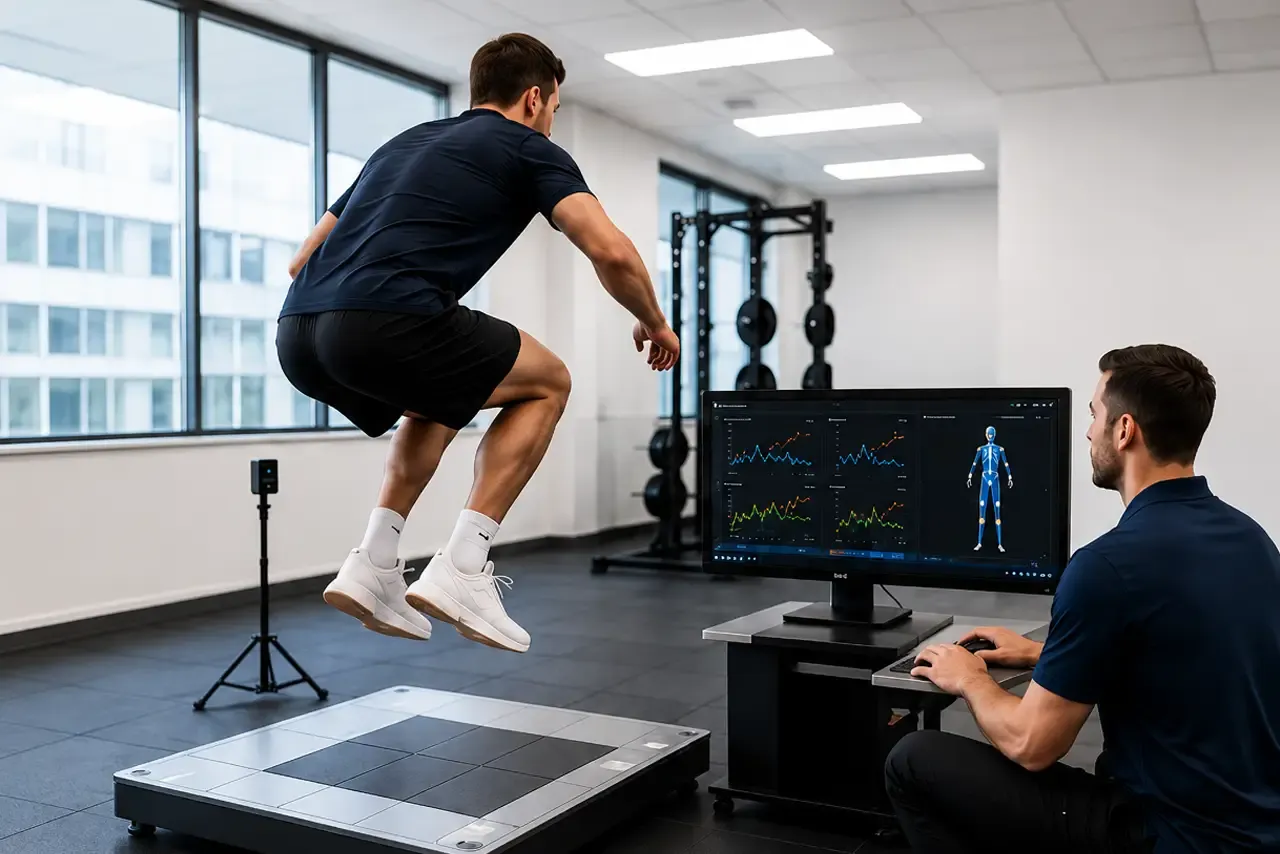
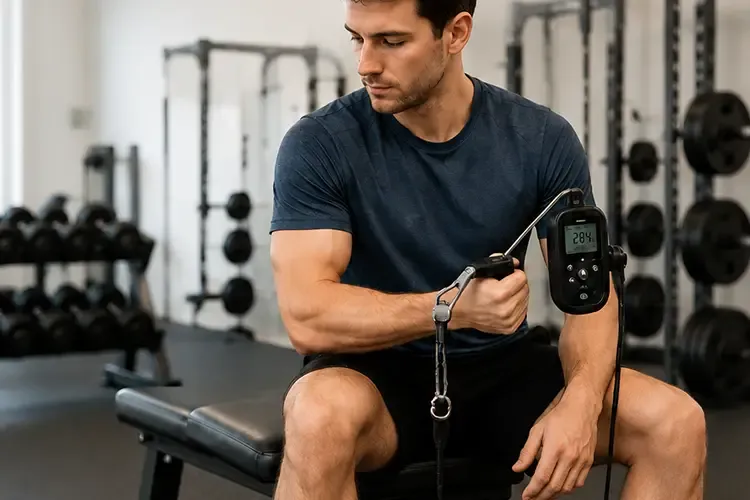
At SportsMed Subiaco, ForceFrame testing allows us to objectively assess strength across a range of muscle groups, while Force Plate testing can provide additional insight into force production, power and jumping and landing performance.
Together, these measures can provide a more detailed picture of an athlete’s physical capacity than any single test in isolation.
Testing should guide rehabilitation, not just finish it
Objective testing is sometimes viewed as a final assessment that determines whether an athlete has “passed” or “failed” rehabilitation.
In practice, its value extends throughout the rehabilitation process.
Initial testing can identify deficits and establish priorities. Repeat testing can help determine whether the rehabilitation program is producing the desired adaptations and highlight areas that still require attention.
As physical capacity improves, testing can help guide progression towards higher-level training, sport-specific demands and ultimately competition.
Testing therefore isn’t simply about answering “Am I ready to return?”
It can also help answer a more useful question:
“What do I need to work on next?”
Return to sport is a process
No single strength score, hop test or Force Plate metric can independently determine whether an athlete is ready to compete.
Return to sport is a process that considers multiple factors, including tissue healing, symptoms, strength, power, movement capacity, sport-specific performance, training exposure, confidence and the demands the athlete will face when they return.
Objective testing gives athletes and clinicians better information with which to make those decisions.
The aim is not to achieve a perfect number. It is to ensure that rehabilitation has adequately prepared the athlete for the physical demands they are returning to — and to identify meaningful deficits while there is still an opportunity to address them.
Because returning to sport is not simply about feeling ready. It’s about being prepared for what your sport will ask of you.